

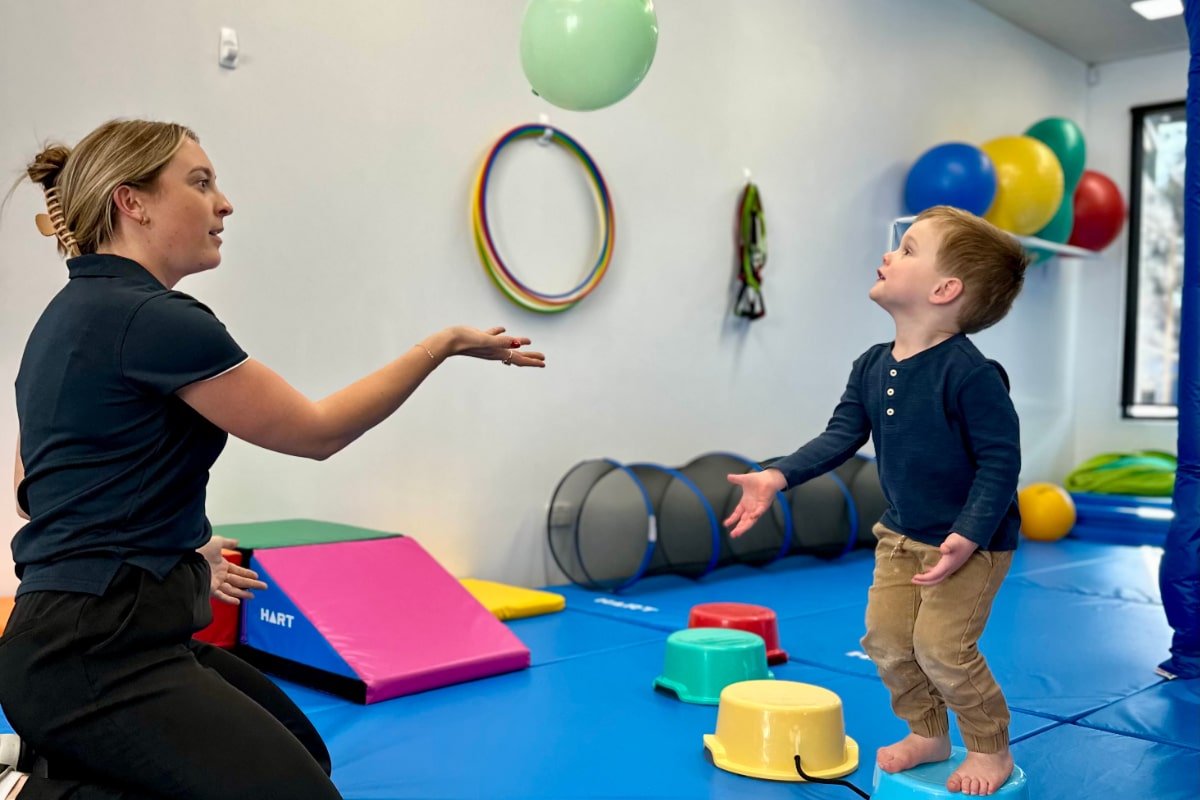
Supporting Children to Thrive in Everyday Life
At The Capability Psychology & Wellness here in South Brisbane, we meet so many families who are doing their absolute best to support their little ones, but sometimes, things still feel a bit tough. That’s where Pediatric Occupational Therapy (OT) can make a world of difference.
Whether your child is struggling with handwriting, coordination, emotional regulation, social skills, or just everyday tasks like getting dressed or organising their school bag, OT offers practical, evidence-based strategies that build lifelong confidence and capability.
In this article, we’ll walk you through what Pediatric OT actually is, how it helps, common signs your child may benefit, and how our team can support your family’s journey.
What Is Pediatric Occupational Therapy?
Pediatric OT focuses on helping children develop the everyday skills they need to participate meaningfully in home life, school, and their community. These skills can fall under:
- Fine motor skills (handwriting, using scissors, tying shoelaces)
- Gross motor skills (balance, coordination, strength)
- Sensory processing (managing sound, light, movement, textures)
- Self-care skills (feeding, dressing, toileting)
- Emotional regulation
- Social and play skills
OT isn’t just about “fixing problems” — it’s about helping children grow in confidence, independence, and joy, using strategies that feel playful, supportive, and achievement-focused.
If you’re curious about our holistic approach, you can explore our therapy philosophy and broader services here:
👉 Counselling & Psychology Services
How Occupational Therapy Helps Children Thrive
Pediatric OT uses tailored, research-backed interventions that meet children exactly where they are. Some examples include:
- Play-based activities to build motor skills
- Sensory tools like weighted items, fidgets, or movement breaks
- Visual schedules and routines to support organisation
- Handwriting programs
- Social skills coaching
- Emotional regulation strategies, such as Zones of Regulation
These are small but mighty tools that help kids engage confidently at home, at school, and with friends.
For families wanting a deeper dive into child development, the Australian OT Association shares helpful information:
🔗 External resource: https://otaus.com.au/
Signs Your Child Might Benefit from OT
Every child is different — but here are some common signs parents notice:
- Difficulty holding a pencil, writing, or cutting
- Challenges with balance, coordination, or playground activities
- Avoiding certain textures, clothing, noises, or environments
- Meltdowns that seem triggered by “small things”
- Trouble following routines or transitions
- Difficulty with self-care tasks compared to peers
- Social difficulties or trouble engaging in play
- Struggling with organisation, planning, or attention
If any of these feel familiar, you’re not alone — and early support can make a huge difference.
Want to meet the people who’ll be supporting your child?
👉 Meet Our Team.
What Happens During a Pediatric OT Session?
Your child’s sessions are gentle, supportive, and tailored around their interests so they actually enjoy coming.
A typical session may involve:
- Fun movement activities (like obstacle courses)
- Games that build hand strength and fine-motor skills
- Sensory play designed to help kids feel more regulated
- Practising school or self-care tasks in a supportive way
- Emotional regulation coaching through age-appropriate exercises
Parents are often included so you can confidently support your child’s progress between sessions.
If you’re preparing to book, you can check our pricing and rebate options here:
👉 Pricing Guide
The Power of Early Support
Research consistently shows that early intervention sets children up for stronger long-term outcomes — academically, emotionally, and socially. Pediatric OT isn’t just about improving a specific skill; it’s about helping your child build a foundation of resilience, independence, and confidence.
If you’re a parent navigating this space for the first time, the Raising Children Network is a wonderful, evidence-based resource:
🔗 External resource: https://raisingchildren.net.au/
How The Capability Psychology & Wellness Can Support Your Family
As a multidisciplinary clinic, we take a holistic approach to child wellbeing. That means our team doesn’t just focus on one area, we consider the child’s environment, family dynamic, sensory needs, emotional world, and learning style.
Our therapists work closely with:
- Parents and carers
- Teachers and schools
- Paediatricians
- Speech therapists and psychologists (when needed)
We’re here to make sure your child’s support system feels unified, consistent, and empowering.
If you’re ready to take the next step, you can reach out anytime:
👉 Contact Us
Final Thoughts
Every child deserves to feel capable, confident, and understood. Pediatric OT offers the tools, strategies, and support to help them get there and to give families the reassurance and clarity they’ve been longing for.
If you’re curious, concerned, or simply wanting to better understand your child’s needs, we’d love to chat and guide you through your options. You’re doing an amazing job, and you don’t have to do this alone.
Free Resources
We believe everyone deserves access to helpful tools and guidance.
Download free worksheets and guides here: Free Resources
Where to Get Help
If you’re in crisis or need immediate support, call Lifeline on 13 11 14 (available 24/7).
At The Capability Psychology & Wellness, we offer confidential counselling for men of all ages. Whether you’re dealing with stress, relationship challenges, or feeling stuck, we’re here to help you move forward.
Taking the First Step: How Capability Psychology Can Help
At Capability Psychology, we understand the courage it takes to seek help. Our team of experienced psychologists offers a range of services tailored to individual needs:
- Individual Therapy: Personalized sessions focusing on anxiety, depression, trauma, and more.
- Couples Therapy: Helping partners navigate challenges and strengthen their relationships.
- NDIS Support: Assisting individuals with disabilities to achieve their goals and improve well-being.
Helpful Resources
Access to early intervention and reliable support services, like those recommended by Beyond Blue, can significantly improve long-term mental health outcomes.


Leave a Reply