

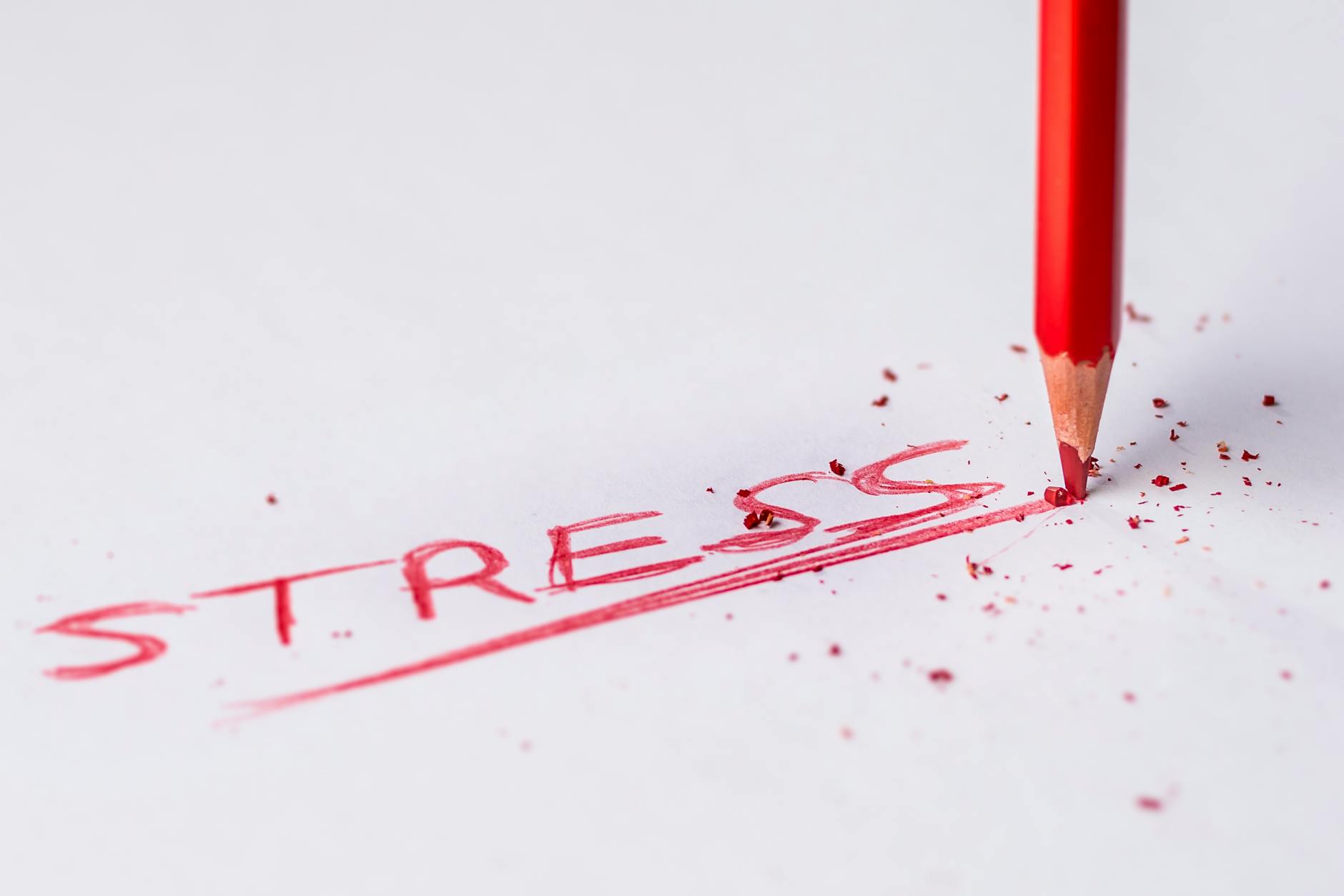
The Modern Challenge of Stress Management
Living in the modern world is busy, fast-paced, and often demanding. The average person faces the challenge of balancing finances, change, work-life balance, relationships, and constant responsibilities. Hustle culture is loud, and many find themselves working harder than ever before, but not necessarily experiencing the fulfilment or rest that they need. This is where stress management becomes crucial.
It is no wonder that so many find themselves in therapy to improve their stress management skills when faced with such pressures.
Want to improve your stress management? Keep reading for expert tips and strategies to help you find balance and peace in your daily life!
Why Stress Management Matters
While stress is a natural and unavoidable part of life, ongoing, chronic stress can take a toll on our mental, emotional, and physical well-being. Research shows a strong link between poor stress management and mental health concerns, chronic health issues, sleep disturbances, and weakened immune function.
There are different severities of stress, and if you’re struggling with ongoing stress that disrupts your daily life, it’s essential to seek professional support.
The Importance of Addressing Stress Early
The concerns of unmanaged stress highlight the importance of taking proactive steps to improve stress management before it becomes overwhelming. The good news is that there are proven, evidence-based strategies to help. In fact, there is more education available now than ever on stress management, so rest assured—you are capable of improving how you manage stress.
Part of this process involves understanding ourselves better, recognising our stress triggers, and developing strategies to reduce stressors. It also means learning to cope in healthy ways that help us care for ourselves.
Personalising Your Stress Management Plan
Stress is a universal experience, but how we cope with it varies based on our culture, upbringing, and personal circumstances. Finding stress management techniques that work for you is key, as is seeking support that aligns with your background and individual needs.
Stress Management Strategies for a Balanced Life
Here are some ideas to help you improve your stress management (and you may have a few of your own to add):
Mindfulness and Awareness
- Practice mindfulness using your five senses.
- Use a “mood tracker” to identify patterns, symptoms, and stress triggers.
Breathing and Relaxation Techniques
- Try diaphragmatic breathing techniques (apps like Down Dog Meditation offer guided exercises).
Movement and Physical Health
- Move your body regularly—exercise releases endorphins that help with stress management.
- Review your diet and nutrition choices.
- Avoid substances that cause energy spikes and crashes, such as alcohol, sugar, cigarettes, drugs, and caffeine.
Rest and Rejuvenation
- Prioritise quality sleep.
- Spend time in nature.
Social and Emotional Support
- Connect with a supportive community.
- Set clear and kind boundaries.
- Journal your thoughts and feelings.
- Practice prayer or meditation.
Lifestyle and Work-Life Balance
- Take regular breaks throughout your week.
- Make sure you’re prioritising fun and enjoyable activities.
- Implement a healthy work-life balance (e.g., start and finish work on time, take lunch breaks, and reserve energy for yourself at the end of each workday).
Mental and Emotional Well-being
- Look at photos that bring back happy memories.
- Listen to music that lifts your mood.
- Practice gratitude.
Delegation and Planning
- Outsource help where you can instead of trying to manage everything alone.
- Make a list and develop a plan.
- Focus on reducing the factors that contribute to stress.
When to Seek Professional Support for Stress Management
While these strategies can be a great starting point, it’s important to recognise that stress can be complex, and everyone experiences it differently. If stress feels persistent or overwhelming, seeking professional support is a wise next step.
Where to Find Support
- Talk to a Trusted Person: Share your concerns with a friend, partner, family member, or mentor.
- Find Community Support: Engage with cultural groups, mentors, supportive colleagues, church groups, sports teams, or other networks.
- Consult a Healthcare Professional: A GP can assess general health, refer you to specialists, and offer evidence-based advice.
- Work with a Therapist: Therapy can help you develop resilience, identify stressors, and create a plan for improving stress management effectively.
Improve Your Stress Management, Live More
Stress is a lifelong experience, but with the right tools, it is possible to manage it effectively. Taking this significant first step today marks the beginning of your path toward understanding and receiving the support you need. You don’t have to navigate stress alone—help is available. If you’re ready to take control of your well-being, learn more about our services here or Contact us to speak with one of our Capability Psychology clinicians. We’re here to support you on your journey to a healthier, more balanced life.
Important Disclaimer
The information in this article is for educational purposes only and is not intended as a substitute for professional counselling, diagnosis, or treatment. If you or someone you know is experiencing significant mental health concerns, please seek support from a licensed professional.
If you need immediate assistance, consider contacting these Australian phone services:
- Beyond Blue: 1300 22 4636 (Support for mental health)
- Lifeline: 13 11 14 (Crisis support)
Ready to Improve Your Stress Management?
Take the first step today! Click the button below to fill out our contact form and schedule an appointment with one of our experienced psychologists.
Leave a Reply