

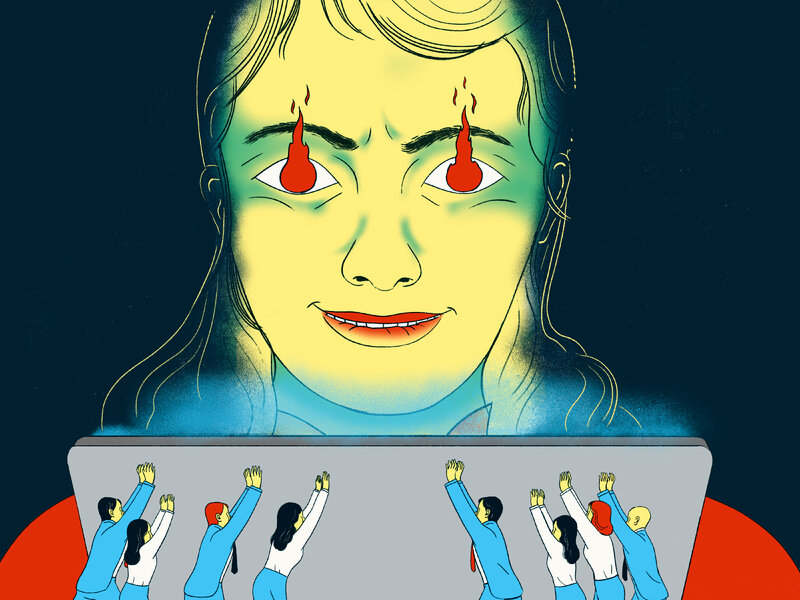

Ever caught yourself glued to a TV show that you absolutely can’t stand? Maybe you’re rolling your eyes at the cheesy dialogue or cringing at the over-the-top drama. Yet, somehow, you just can’t stop watching. Welcome to the world of hate-watching—a surprisingly common habit where we deliberately watch media we don’t actually like, just to pick it apart.
What Exactly Is Hate-Watching?
Hate-watching isn’t the same as indulging in a guilty pleasure. Guilty pleasures are those shows or movies you secretly love despite knowing they’re a little cheesy or flawed. Hate-watching, on the other hand, is all about intentionally watching something you know you dislike—just so you can critique it. Think about watching a reality TV show solely to roll your eyes at the drama or poke fun at the contestants. Sound familiar? You’re not alone!
Why Do People Hate-Watch? Psychological Motivations Behind the Phenomenon
Believe it or not, there’s a lot more to hate-watching psychology than just bad TV and eye-rolls. Several psychological factors come into play:
- Elitism and Social Comparison
- Sometimes, it’s about feeling superior. When we watch content we consider low-quality or cringe-worthy, it can make us feel a bit more cultured or discerning by comparison. It’s almost like saying, “At least I’m not like that!” This links to the idea of social comparison theory—where we evaluate ourselves based on others. In this case, it’s the people on screen.
- Sometimes, it’s about feeling superior. When we watch content we consider low-quality or cringe-worthy, it can make us feel a bit more cultured or discerning by comparison. It’s almost like saying, “At least I’m not like that!” This links to the idea of social comparison theory—where we evaluate ourselves based on others. In this case, it’s the people on screen.
- Nostalgia and Broken Expectations
- Ever been let down by a reboot or sequel that just didn’t hit the mark? Even though it might feel disappointing, we keep watching because it connects us to memories of the original show or movie we once loved. It’s almost like we’re holding onto hope that it’ll somehow get better and do justice to the nostalgia.
- Ever been let down by a reboot or sequel that just didn’t hit the mark? Even though it might feel disappointing, we keep watching because it connects us to memories of the original show or movie we once loved. It’s almost like we’re holding onto hope that it’ll somehow get better and do justice to the nostalgia.
- Morbid Curiosity
- There’s something oddly fascinating about watching chaotic or dysfunctional scenarios unfold. It’s like slowing down to look at a car crash—you know it’s not great, but you just can’t look away. Morbid curiosity allows us to explore controversial or messy situations without any real-world consequences.
- There’s something oddly fascinating about watching chaotic or dysfunctional scenarios unfold. It’s like slowing down to look at a car crash—you know it’s not great, but you just can’t look away. Morbid curiosity allows us to explore controversial or messy situations without any real-world consequences.
Psychological Effects of Hate-Watching: Positive and Negative Impacts
Hate-watching can have its ups and downs—just like any habit. Depending on how and why we engage with it, it can either feel like harmless fun or become a pattern that subtly shapes our mindset and attitudes. Let’s break down both sides of the equation.
The Positive Side: Benefits of Hate-Watching
- Emotional Release and Catharsis:
- Sometimes we just need to vent. Hate-watching can provide a way to channel our frustrations or irritation in a safe and controlled environment. Whether it’s rolling our eyes at a poorly scripted dialogue or groaning at a plot twist that makes no sense, expressing these feelings can actually help us blow off steam.
- In a way, it’s similar to venting to a friend about a frustrating day at work. Instead of bottling up those feelings, we can release them by dissecting a flawed show. This emotional release can feel oddly satisfying and even therapeutic in the short term.
- Sometimes we just need to vent. Hate-watching can provide a way to channel our frustrations or irritation in a safe and controlled environment. Whether it’s rolling our eyes at a poorly scripted dialogue or groaning at a plot twist that makes no sense, expressing these feelings can actually help us blow off steam.
- Social Connection and Community Building:
- Hate-watching can surprisingly bring people together. When a group collectively criticizes a show or movie, it becomes a shared experience. Think about how some of the most cringe-worthy reality TV shows spark massive online discussions where people bond over their mutual disdain.
- Engaging with forums, social media groups, or even creating memes around the show can build a sense of community. You’re not just watching alone—you’re part of a larger conversation where like-minded viewers can relate to your frustrations.
- Hate-watching can surprisingly bring people together. When a group collectively criticizes a show or movie, it becomes a shared experience. Think about how some of the most cringe-worthy reality TV shows spark massive online discussions where people bond over their mutual disdain.
- Intellectual Stimulation and Critical thinking:
- Dissecting what makes content bad can actually sharpen your analytical skills. Whether it’s evaluating poor storytelling techniques or discussing why certain characters feel unrealistic, you’re exercising critical thinking.
- Engaging in these discussions might even inspire creative solutions, like imagining how the plot could have been written better. It’s a form of mental exercise that challenges you to think more deeply about media production and storytelling.
- Dissecting what makes content bad can actually sharpen your analytical skills. Whether it’s evaluating poor storytelling techniques or discussing why certain characters feel unrealistic, you’re exercising critical thinking.
- Reflection on Personal Values and Preferences:
- Sometimes our dislike for a particular show or movie helps us understand ourselves better. By analyzing why we react negatively, we might discover personal values that the content challenges.
- For example, if a reality show’s glorification of conflict bothers you, it might highlight your preference for harmony and respect. Reflecting on these reactions can lead to greater self-awareness and insight.
- Sometimes our dislike for a particular show or movie helps us understand ourselves better. By analyzing why we react negatively, we might discover personal values that the content challenges.
The Negative Side: Pitfalls of Hate-Watching
- Reinforcing Negative Thinking Patterns:
- Regularly indulging in hate-watching can inadvertently cultivate a habit of negativity. If you’re constantly criticizing what you watch, this mindset might bleed into other areas of life, making it harder to find joy or satisfaction.
- Over time, this habit may even lead to a more cynical outlook on new experiences, causing you to approach other forms of media—or even real-life situations—with a more critical and dismissive attitude.
- Regularly indulging in hate-watching can inadvertently cultivate a habit of negativity. If you’re constantly criticizing what you watch, this mindset might bleed into other areas of life, making it harder to find joy or satisfaction.
- Desensitization to Harmful Behaviors:
- Some shows thrive on controversy and dysfunctional behavior, and repeatedly exposing yourself to such content can desensitize you to problematic actions. Whether it’s glamorizing toxic relationships or normalizing harmful stereotypes, frequent hate-watching can dull your sensitivity to these issues.
- It’s essential to remain mindful of how prolonged exposure to negative or harmful content might shape your perceptions and attitudes toward similar behaviors in real life..
- Some shows thrive on controversy and dysfunctional behavior, and repeatedly exposing yourself to such content can desensitize you to problematic actions. Whether it’s glamorizing toxic relationships or normalizing harmful stereotypes, frequent hate-watching can dull your sensitivity to these issues.
- Addiction to Controversy:
- Just like doomscrolling, hate-watching can become an addictive habit where you feel compelled to keep up with the latest “terrible” show just to stay part of the online conversation. It can create a cycle where you actively seek out bad content, not because you enjoy it, but because it’s become a habit to critique and complain.
- This addiction can waste time and energy that could be spent on more positive or uplifting activities. It might leave you feeling drained rather than entertained.
- Just like doomscrolling, hate-watching can become an addictive habit where you feel compelled to keep up with the latest “terrible” show just to stay part of the online conversation. It can create a cycle where you actively seek out bad content, not because you enjoy it, but because it’s become a habit to critique and complain.
- Disrupting Personal Well-being:
- Constantly engaging with content that irritates or frustrates you can take a toll on your mental well-being. You may find yourself feeling more irritable or pessimistic, even outside of watching TV or movies.
- In some cases, hate-watching can even affect relationships. If you’re continually sharing negative critiques with friends or partners who don’t feel the same way, it could create tension or distance.
- Constantly engaging with content that irritates or frustrates you can take a toll on your mental well-being. You may find yourself feeling more irritable or pessimistic, even outside of watching TV or movies.
Finding the Balance
It’s all about balance and being mindful of your media consumption. If you notice that hate-watching is leaving you feeling drained or overly critical, it might be time to reassess how much energy you’re investing in it. Instead, try mixing in content that genuinely uplifts and entertains you.
If you’re struggling to break the habit or notice that hate-watching is impacting your mood, consider reaching out to someone who can help you unpack those feelings. If you’d like to explore further support options, our team at Capability Psychology is here to help. Learn more about our services here and connect with a qualified professional who can assist you in improving your relationship and well-being. Whether it’s about creating a more positive mindset or just gaining insight into your behaviors, we’re here to help.
Important Disclaimer
The information in this article is for educational purposes only, is not specific to each individual circumstance, and is not intended as a replacement for professional counselling, diagnosis, or treatment. If you or someone you know is experiencing significant mental health issues, please seek support from a licensed professional.
Leave a Reply